
Project description
Objective 1
Advanced Polymeric Biomaterials
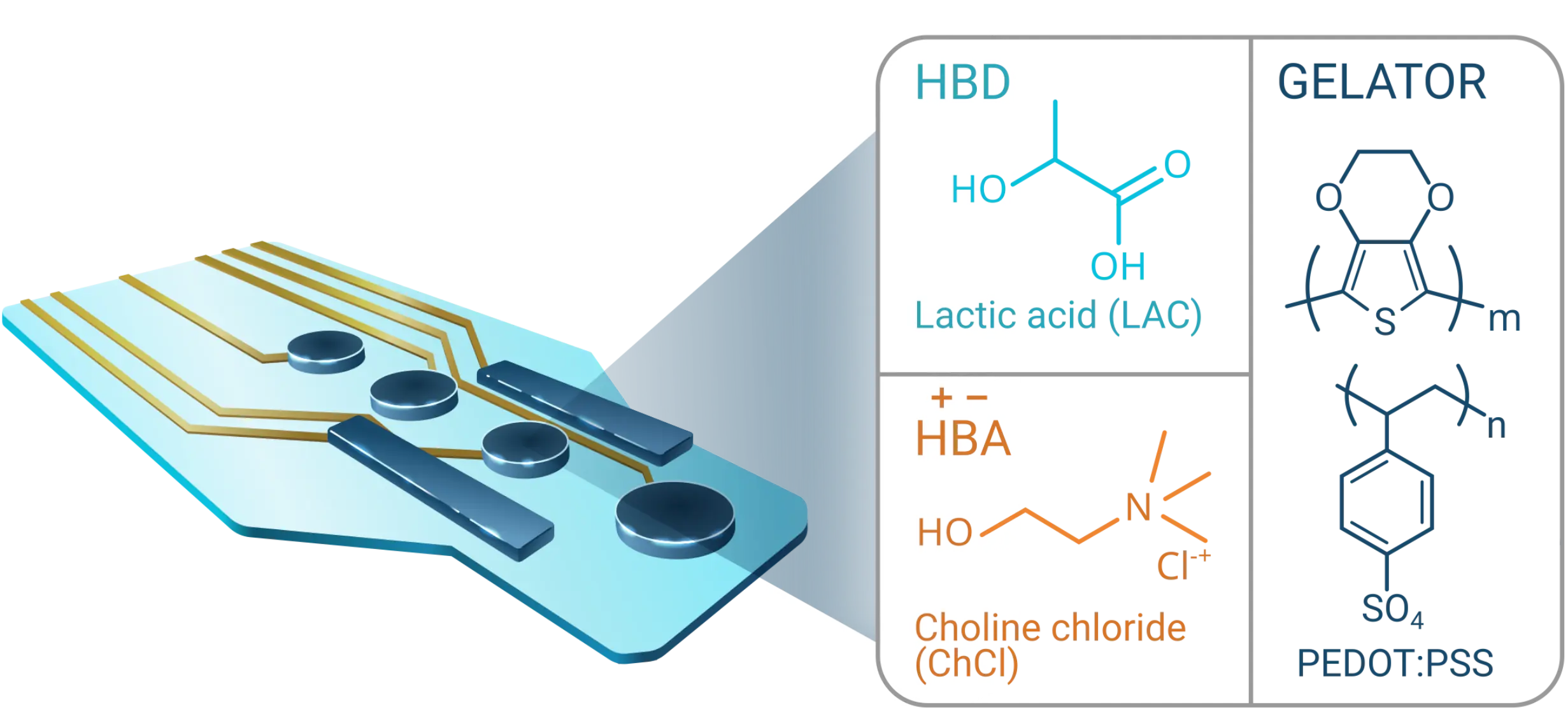
We design and synthesize electroactive and resorbable polymers.
• The Goal: To create implants that can «speak» the electrical language of neurons but reabsorb safely once their mission is complete.
• Focus: Electroactive hydrogels and biodegradable scaffolds.
Objective 2
Bio-inspired Fabrication
Using state-of-the-art advanced manufacturing techniques, we replicate the intricate architecture of neural tissues.
• The Goal: Tailor-made implants that match the brain’s mechanical properties and structure, ensuring long-term biocompatibility.
• Focus: High-resolution printing and two-photon polymerization.

Objective 3
Functional Neural Interfacing
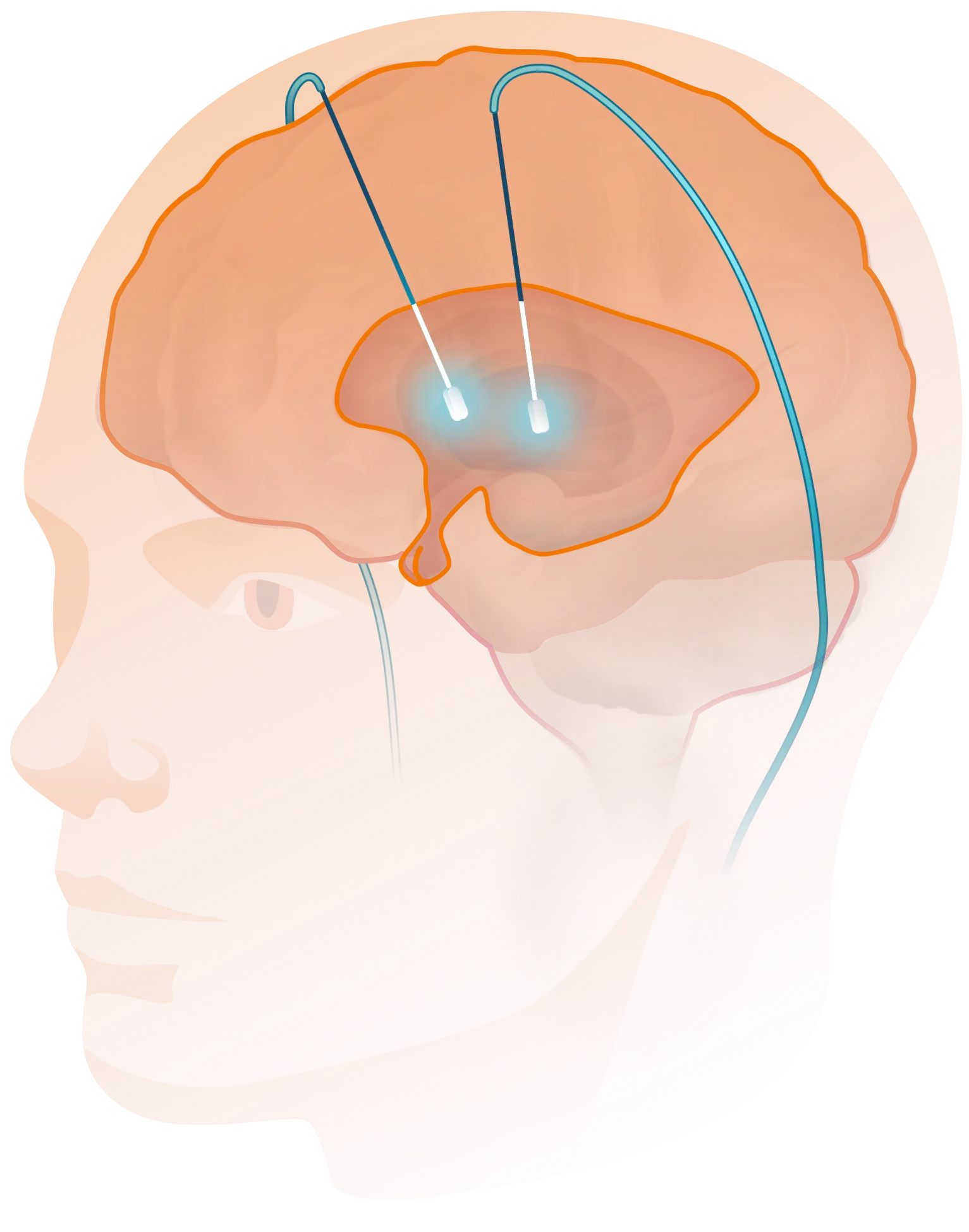
• The Goal: To optimize the coupling between brain-interfacing biomaterials and neurons for superior recording and stimulation.
• Focus: Enhancing signal quality for epilepsy, Alzheimer’s, and Parkinson’s treatments.
Objective 4
Translational Neurotechnology
We validate our materials in realistic environments to ensure clinical safety and efficacy.
• The Goal: Bridging the gap between the lab bench and the hospital bed by aligning designs with regulatory standards from day one.
• Focus: Preclinical validation and smart drug delivery systems.